- Clinica Veterinaria Eurovet - Avenida Estación, 38 - 12598 - Peñiscola
- +34 964 784 983
- +34 671 281 025
- clinica.eurovet@gmail.com



STRATEGIES TO IMPROVE COAT HEALTH IN SENIOR PETS
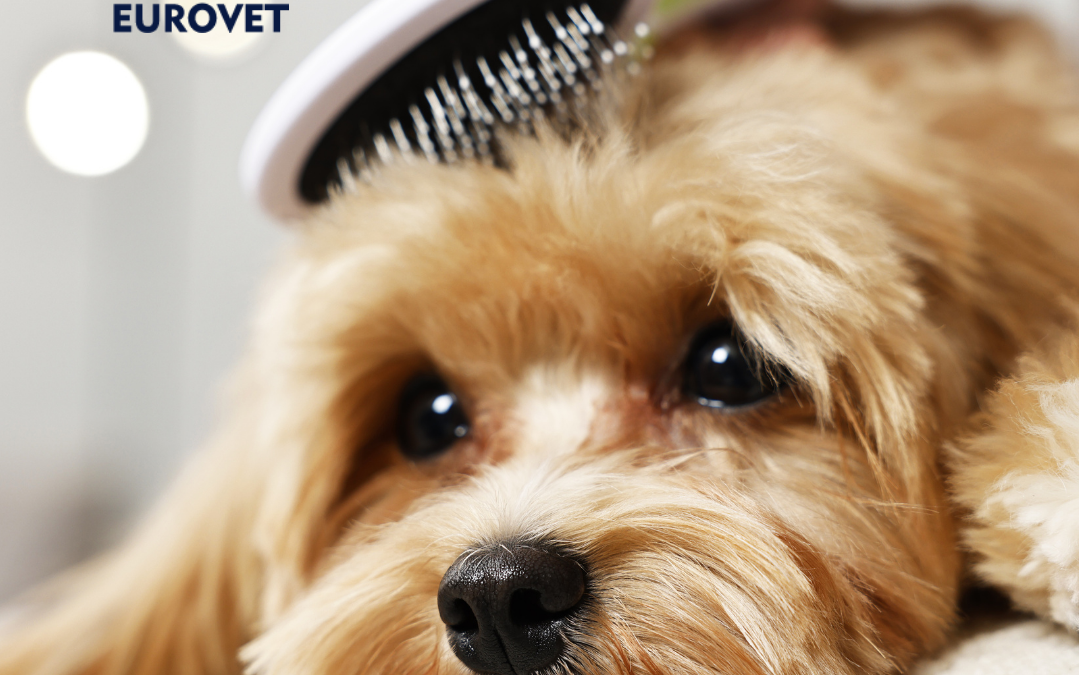
As pets age, the structure, density, and quality of their coat change.
These changes are part of the natural aging process, but through proper nutrition, care, and a healthy lifestyle, it is possible to significantly improve and preserve coat quality.
A shiny, healthy coat is not just about appearance – it is a visible reflection of well-being and inner health.
1. Nutrition: The Foundation of a Strong and Healthy Coat
The skin and coat are mirrors of nutrition.
To support the hair renewal cycle, the body needs a balanced supply of proteins, fatty acids, vitamins, and minerals.
Key Nutrients:
- High-quality proteins: promote follicle regeneration and keratin formation.
- Omega-3 and omega-6 fatty acids: reduce inflammation, improve skin elasticity, and enhance shine.
- Biotin, zinc, and copper: essential for skin renewal and pigmentation.
- Vitamins A, E, and B-complex: act as antioxidants and support cellular regeneration.
A balanced senior diet, rich in essential nutrients and easily digestible, can visibly reduce hair loss, dandruff, and dull coat.
2. Hydration and Skin Health
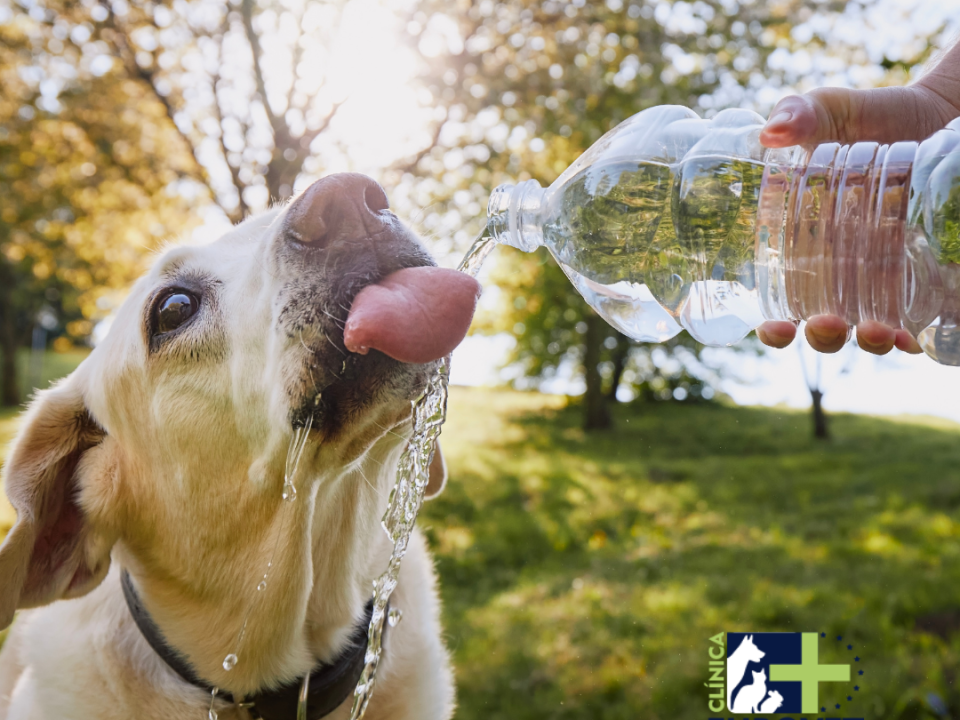
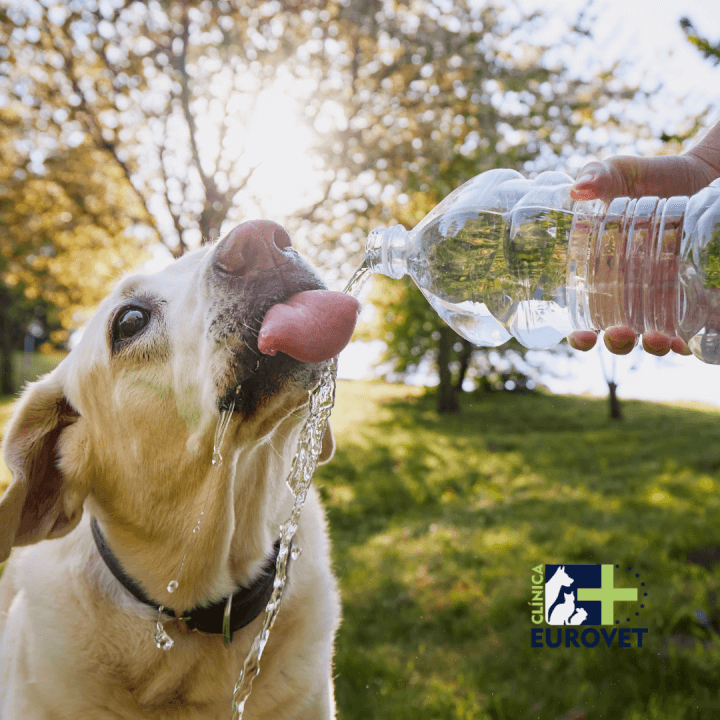
Water is crucial for maintaining skin elasticity and cellular metabolism.
Older pets often drink less, leading to dry skin and brittle hair.
Recommendations:
- Always provide fresh, clean water.
- Increase moisture intake with wet food or rehydrated kibble.
- Use supplements rich in fatty acids and antioxidants to support skin hydration.
A well-hydrated skin is stronger and forms the foundation of a shiny, healthy coat.
3. Physical Activity and Circulation
Exercise promotes blood circulation and oxygen supply to the skin, stimulating hair follicle regeneration.
However, older pets tend to become less active, which can affect skin function and immunity.
Suggestions:
- Daily walks adapted to their physical capacity.
- Gentle activities such as play, physiotherapy, or massage.
- Massage brushes or soft grooming to activate microcirculation.
Movement means vitality — for the body, the skin, and the coat.
4. Regular Coat Care
The skin of older pets is more delicate, and sebum production can vary — sometimes excessive, sometimes insufficient.
Proper grooming helps to maintain the natural balance of the skin.
Recommended Routine:
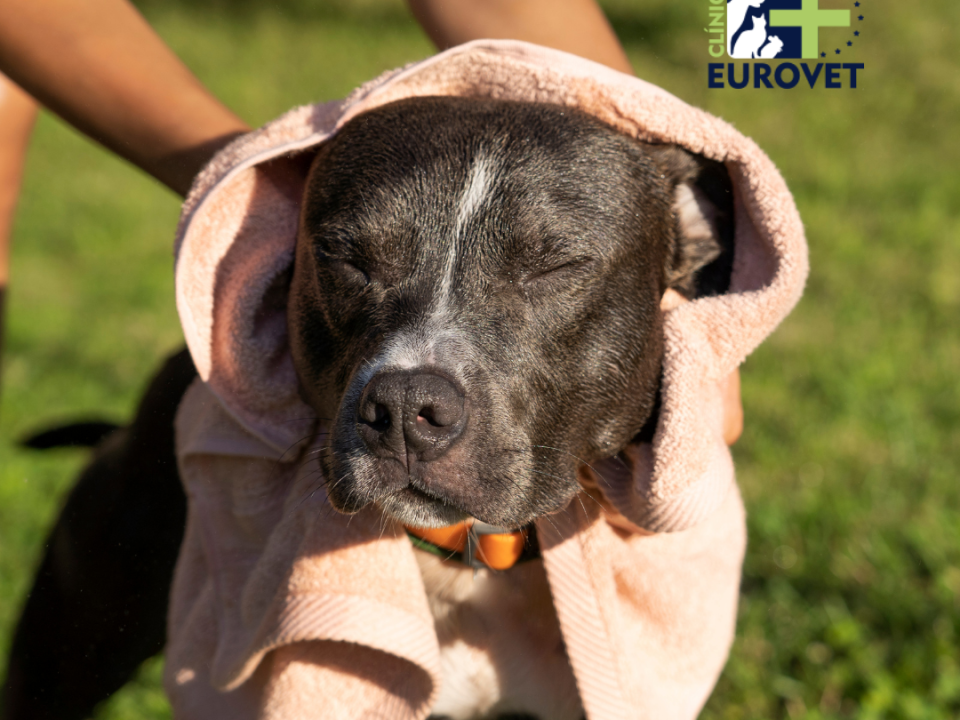
- Regular brushing to remove dead hair and distribute natural oils.
- Use mild, moisturizing shampoos, ideally with oatmeal, aloe vera, or fatty acids.
- Avoid excessive bathing, which can damage the skin’s protective layer.
- Check for skin changes such as redness, flakes, or lumps — consult your vet if needed.
Grooming is not just care — it is also a moment of connection and affection.
5. Nutritional Supplements
In senior pets, nutrient absorption in the gut may decrease.
In these cases, supplements can help maintain skin and coat health.
Examples:
- Omega-3 fatty acids (fish oil, salmon oil, krill oil)
- Zinc and biotin supplements
- Antioxidants (vitamin E, coenzyme Q10)
- Collagen and hyaluronic acid to improve skin elasticity
It is important to consult the veterinarian before supplementing to avoid overdoses or interactions.
6. Environment and Lifestyle
The environment plays a vital role in skin and coat health.
Senior pets are more sensitive to temperature, humidity, and stress.
Recommendations:
- Maintain a comfortable room temperature and proper humidity (especially in winter).
- Ensure a calm, stress-free environment with stable routines.
- Provide soft bedding to prevent pressure points.
- Protect light or sensitive skin from excessive sun exposure.
A peaceful, warm, and loving environment is the best therapy for the skin, the coat, and the soul.
7. Veterinary Check-Ups
Regular check-ups help detect hormonal imbalances, parasites, or nutritional deficiencies early.
When coat changes occur, it’s essential to perform a complete diagnosis before applying cosmetic treatments.
The skin speaks — the veterinarian helps interpret its message.
8. Conclusion
The coat is an external sign of internal health.
Through balanced nutrition, regular exercise, consistent grooming, and veterinary follow-up, a senior pet’s coat can regain shine, softness, and vitality.
A healthy coat means comfort, joy, and better quality of life — for both the pet and the owner.