- Clinica Veterinaria Eurovet - Avenida Estación, 38 - 12598 - Peñiscola
- +34 964 784 983
- +34 671 281 025
- clinica.eurovet@gmail.com



No Ice, No Panic!
Real first aid for heatstroke
When your pet starts panting like it just ran a marathon without leaving the living room, stumbles or collapses from exhaustion, it’s not time to play dumb – it’s time to act. Fast, yes – but with a clear head.
Heatstroke is a serious veterinary emergency. And it’s not just our opinion: a study by the Royal Veterinary College in London analysed 856 cases and found that 14% were considered severe… and of those, more than half (57%) didn’t survive. The most alarming? Dogs that lost consciousness were 37 times more likely to die. So yes – this is serious.
But don’t panic… This guide walks you through what to do — and what to avoid — if your furry friend overheats. Because ice isn’t your best friend… but your calm could make all the difference. And remember: in these cases, it’s better to be a prepared owner than one running in flip-flops to the vet.
Step 1: Move your pet to a cool, well-ventilated area
Avoid direct fans or cold drafts. Ideally, bring them to a shaded, quiet, and stress-free room. If they’re in a car, remove them immediately. Don’t waste time trying home remedies – every minute matters.
Step 2: Lower their temperature gradually
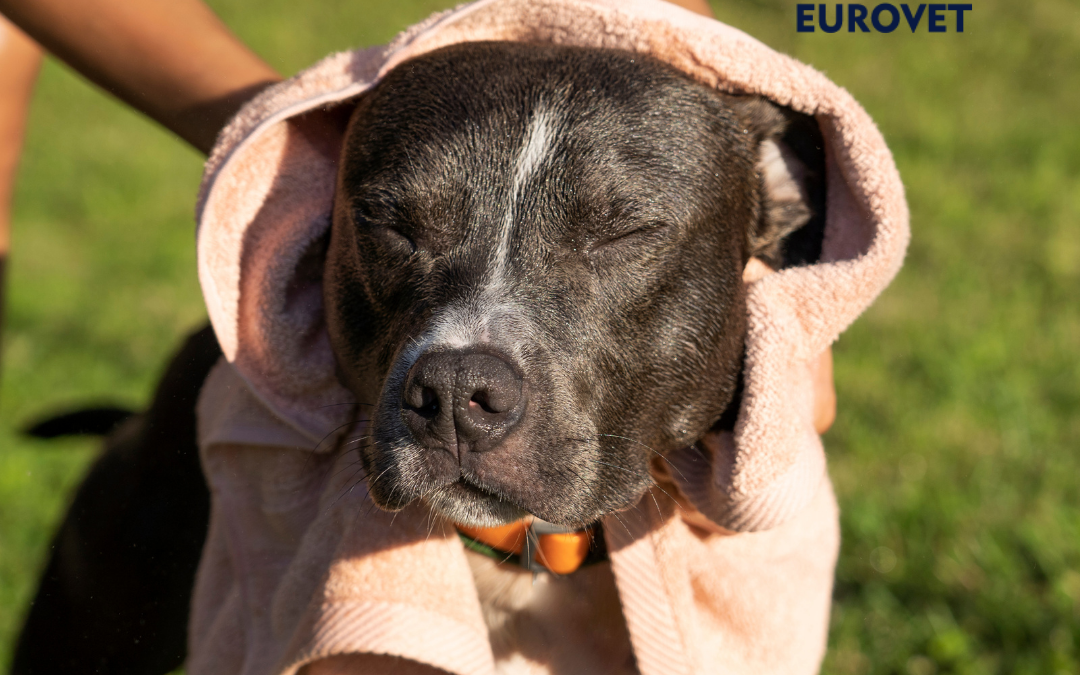
Dampen a cloth with lukewarm (never cold) water and apply it to the head, groin, armpits, and belly. You can use a spray bottle or towel, but avoid covering the animal completely. Replace the cloth every 2 minutes to maintain the effect. Don’t use ice cubes or cold showers – they can trigger shock.
Step 3: Offer water without forcing
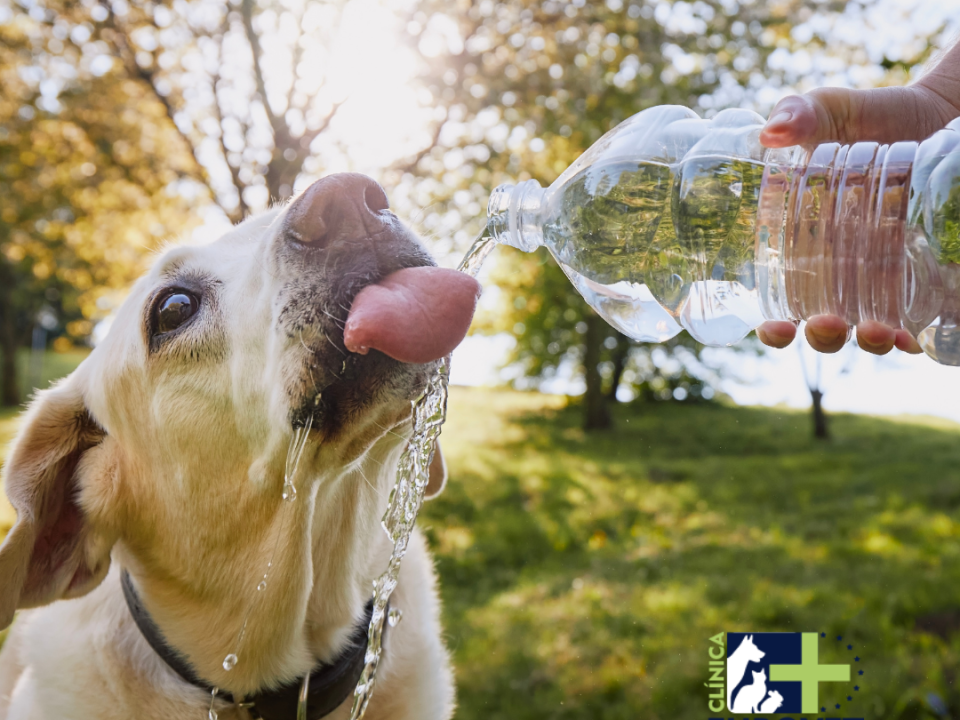
Provide fresh (not cold) water in small amounts. If they won’t drink, don’t force them. Never try to give water using a syringe or bottle – they could inhale it by mistake. At Eurovet, we only consider oral fluids once the animal is stable.
Step 4: Go to the vet without delay
Even if your pet seems to recover, it’s essential that a professional evaluates for internal damage. Hyperthermia can affect the brain, kidneys and heart – with potentially serious consequences hours after the episode.
Small but scary fact: heat can kill – and faster than you think
Did you know that a pet can reach a body temperature of 42 °C in under 15 minutes if exposed directly to the sun or left inside a car? That figure isn’t just scary – it marks the point of collapse.
At 42 °C, the body’s natural cooling mechanisms begin to fail. It can no longer regulate temperature on its own. Oxygen supply to the brain becomes impaired. Worst of all: irreversible brain damage or death can occur within minutes if action isn’t taken quickly.
Your vet’s advice: be prepared – even for the unexpected
Preventing heatstroke doesn’t require a fancy first-aid kit – just common sense and a few key essentials. Here’s what we recommend:
- Save Eurovet’s emergency number on your phone – you never know when you’ll need it.
- Always carry a clean towel in case you need to cool your pet quickly.
- Bring a spray bottle with fresh water during walks to gently cool paws, belly and neck.
- Keep a small bottle of drinking water on hand (yes, for them too) – especially on hot days.
And remember: heatstroke doesn’t give warnings. There are no early symptoms, no room for doubt. When it hits, you’re racing against the clock.
The best part? It’s 100% preventable. With awareness, attention and a bit of preparation, you can enjoy summer with your furry companion without unnecessary risks.