- Clinica Veterinaria Eurovet - Avenida Estación, 38 - 12598 - Peñiscola
- +34 964 784 983
- +34 671 281 025
- clinica.eurovet@gmail.com



Cool paws, happy snout
A practical guide for scorching summer days
When the heat arrives, ice creams melt, beaches fill up… and dogs pant as if they’ve just run a marathon. Even if all they’ve done is take a couple of steps into the garden. Heatstroke isn’t just a summer exaggeration – it’s a genuine veterinary emergency and can become a deadly threat in just 15 minutes. We say it time and again in consultations: “Your dog doesn’t sweat like you do, and your cat can’t open the fridge to get cold water.” They rely on us to stay safe.
So here’s a brief, practical and realistic guide to keeping your furry friend happy, cool and safe during the hottest days of summer.
Walks that won’t fry their paws
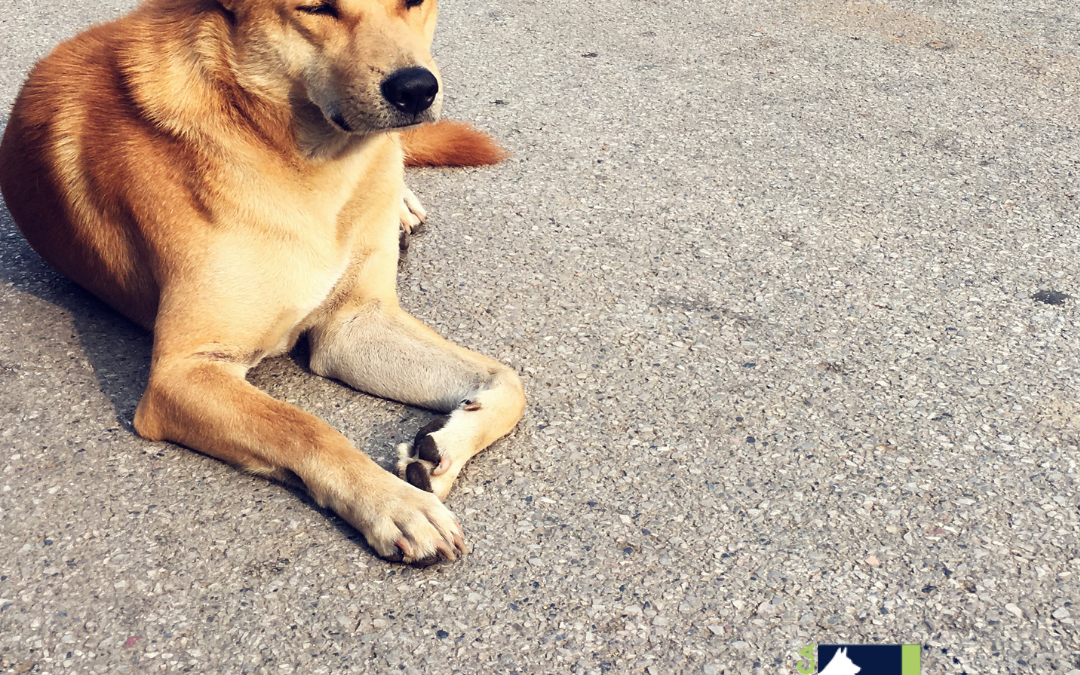
There’s nothing sadder than a dog excited for a walk… only to end up with burnt paw pads. Midday sun can heat asphalt to over 60 °C. I always recommend the hand test: if you can’t hold your hand on the ground for 5 seconds, your dog shouldn’t walk on it either.
The best times for walks are early morning or in the evening. If you can choose shaded routes with grass or dirt paths, even better. Dog boots aren’t a trendy city gimmick – they’re literal lifesavers in summer.
Never in the car!
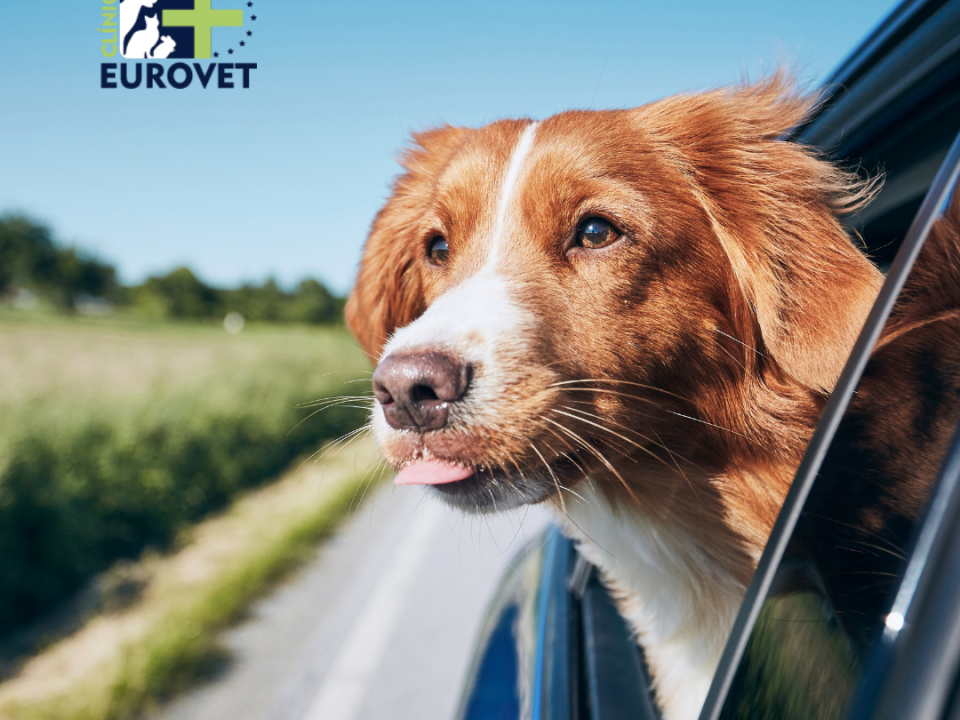
Repeat this like a mantra: never leave your pet in the car – not even for five minutes. I’ve treated too many heartbreaking cases from this mistake. A car in the sun can turn into an oven in under 10 minutes, even with the windows cracked open.
And no, your dog doesn’t “handle heat well”. It’s not a camel or a portable fan. If you get out of the car, so does your pet. No exceptions.
Water, shade and rest: the triple defence
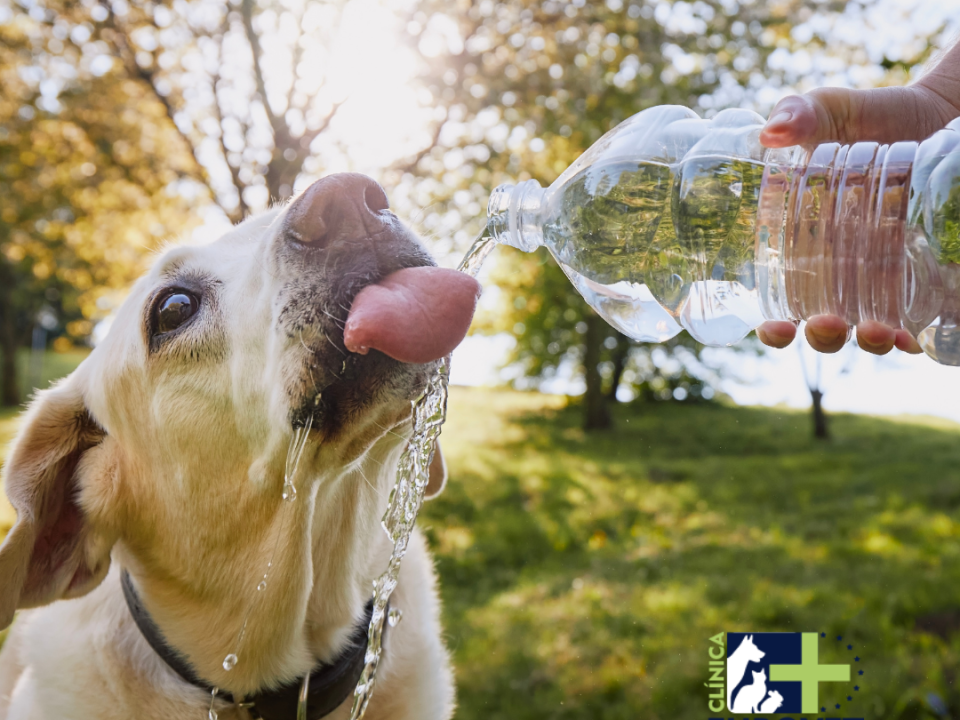
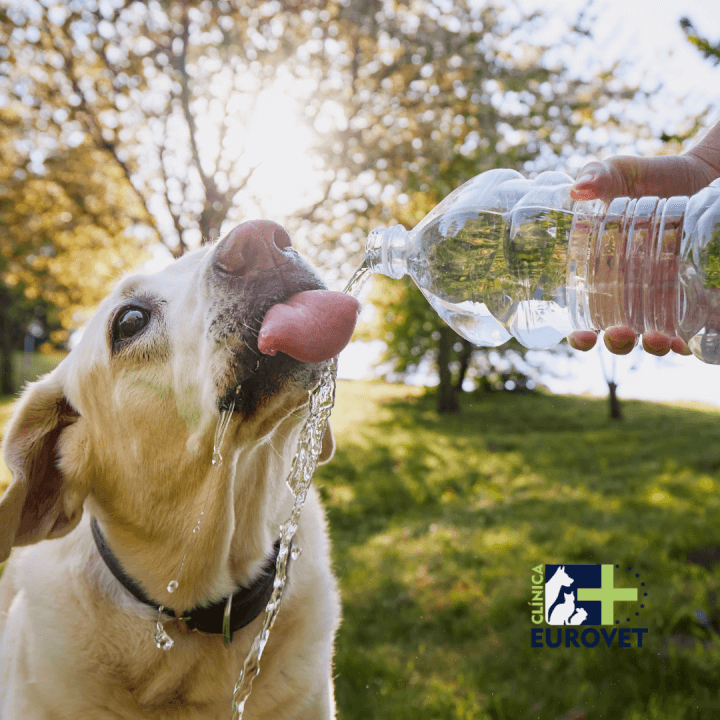
Many owners assume a single water bowl is enough. But not all pets drink enough on their own, especially cats. I recommend placing several bowls of fresh water (yes, even in the bathroom if they like it), adding ice when it’s very hot, or using automatic fountains – some fussy pets find them more appealing.
And if they still won’t drink? Try this old trick: offer water-rich fruits (like seedless watermelon) or mix a bit of water into their food. This tends to work better with cats than dogs, but it’s worth trying.
At home, make sure your pet always has access to shade and fresh air. If your dog is outside, set up a canopy or umbrella. Avoid strenuous activity – opt for calm indoor games instead.
Extra care for those at risk
Some animals are more vulnerable and need extra attention. Puppies and elderly pets regulate body temperature less efficiently. Brachycephalic breeds like bulldogs or Persians breathe less effectively and overheat more easily. Overweight animals, those with heart or respiratory conditions, and pets with dark or very thick coats are also at risk.
Yes, your 12-year-old black Persian cat ticks every box. Watch over them like a grandpa in the desert.
Perspective
Many pet owners believe water and shade are enough. But true prevention means constant observation, adapting the environment, and making smart choices when planning activities. Being cautious is also a form of love.