- Clinica Veterinaria Eurovet - Avenida Estación, 38 - 12598 - Peñiscola
- +34 964 784 983
- +34 671 281 025
- clinica.eurovet@gmail.com



MINERAL DEFICIENCIES AND SKIN HEALTH IN SENIOR PETS
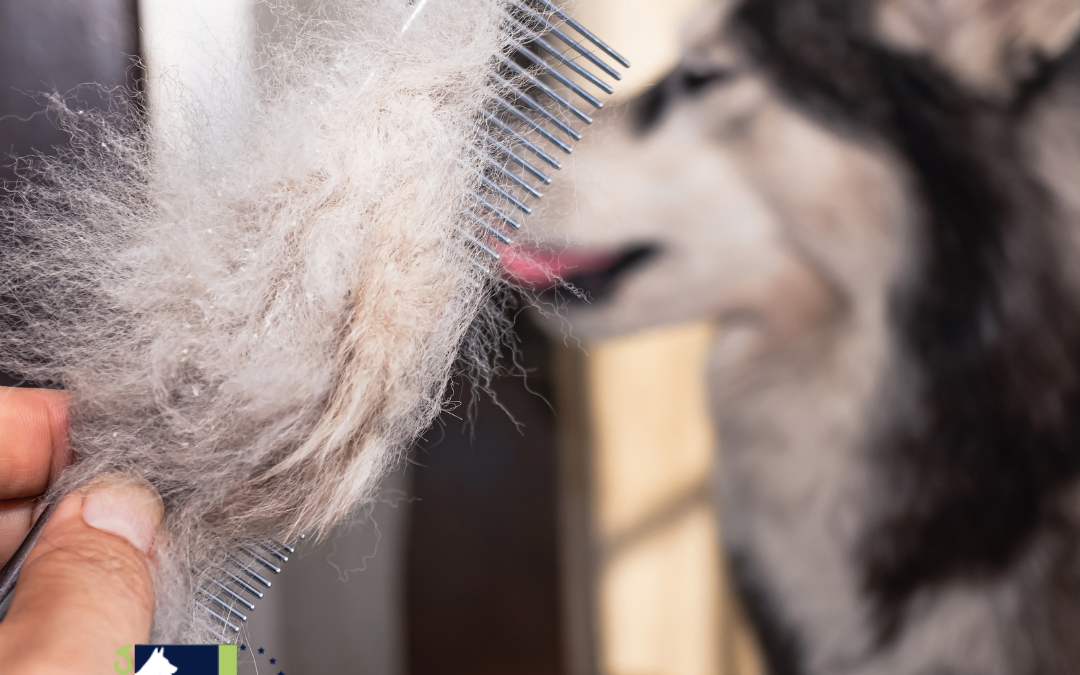
As pets age, their metabolic processes slow down, and their ability to absorb and store nutrients decreases.
This can lead to vitamin and mineral deficiencies, which directly affect the skin, coat, and overall well-being.
1. The Importance of Minerals for Skin Health
Minerals play a crucial role in skin barrier function, cell regeneration, and the defense mechanisms against infections and inflammation.
A balanced intake of these micronutrients ensures healthy, elastic skin and a shiny coat.
Key Minerals and Their Functions:
- Zinc: promotes cell renewal, strengthens the immune system, and prevents dandruff and hair loss.
- Copper: essential for coat pigmentation and collagen synthesis.
- Selenium: protects against oxidative stress and supports immune defense.
- Iron: vital for oxygen transport to the skin and hair follicle vitality.
- Calcium and phosphorus: maintain the structure and strength of skin and nails.
- Magnesium: has anti-inflammatory effects and supports skin elasticity.
A deficiency in one or more of these elements can result in dry or flaky skin, dull coat, hair loss, or delayed wound healing.
2. Why Older Pets Are More at Risk
Senior dogs and cats often experience digestive system changes, leading to reduced nutrient absorption.
In addition, many aging pets take specific medications (such as diuretics or anti-inflammatories) that can increase mineral loss.
A reduced appetite or picky eating habits can further worsen the nutritional imbalance.
The result: the skin loses its protective barrier, the coat becomes thinner and duller — and infections or inflammations occur more frequently.
3. Early Warning Signs of Mineral Deficiency
Recognizing the first signs is key to early intervention.
Most Common Symptoms:
- Dry, flaky, or greasy skin
- Excessive hair loss
- Dull, brittle, or discolored coat
- Slow wound healing
- Recurrent skin infections or itching
- Changes in pigmentation (whitish or gray patches)
These signs should not be dismissed as simple aging symptoms — they often indicate an underlying nutritional imbalance.
4. Nutrition and Supplementation
Nutrition is the key to preventing and correcting mineral deficiencies.
A balanced diet designed for senior pets should be rich in high-quality proteins, essential fatty acids, vitamins, and trace elements.
Many “senior” formulas already contain adjusted levels of zinc, copper, selenium, and other minerals to help prevent age-related deficiencies.
Recommended Strategies:
- Choose highly digestible foods with moderate phosphorus and balanced energy levels.
- Add omega-3 fatty acids (from fish oil or algae oil) to reduce inflammation.
- Use specific mineral supplements if needed, following veterinary advice.
- Avoid over-supplementation — too much can be as harmful as too little.
- Ensure the pet drinks enough water to support metabolism and skin perfusion.
A balanced ratio is crucial: supplementation is only effective if digestion and nutrient absorption are optimal.
5. The Connection Between Skin and Internal Health
The skin is a mirror of internal balance.
Nutrient deficiencies, hormonal disorders, or organ dysfunctions often manifest through visible skin changes.
For instance, kidney disease may cause increased mineral loss, while liver dysfunction can affect copper and zinc utilization.
Similarly, endocrine disorders (such as Cushing’s disease or hypothyroidism) can lead to skin alterations often mistaken for simple dermatitis.
It is therefore essential to distinguish primary skin disorders from secondary symptoms of metabolic imbalance.
6. Individual Veterinary Assessment
A proper diagnosis requires a thorough clinical examination, including blood and urine tests to identify possible deficiencies or organ issues.
In some cases, the veterinarian may recommend specific diagnostic tests, such as:
- Serum levels of zinc, copper, or iron
- Hormone profiles (e.g., thyroid hormones)
- Liver and kidney function tests
- Skin biopsies or trichograms to analyze hair structure
These tests help create a personalized nutritional and therapeutic plan, tailored to the animal’s age and health condition.
7. Care, Prevention and Quality of Life
The skin of senior pets requires special care and attention.
A combination of balanced nutrition, regular grooming, and veterinary monitoring helps prevent skin problems and improve overall comfort and quality of life.
Recommendations for Skin Care in Older Pets:
- Regular brushing: removes dead hair, stimulates circulation, and spreads natural oils.
- Gentle shampoos: ideally moisturizing, lipid-replenishing, or hypoallergenic.
- Protection against sun and cold: older pets are more sensitive to temperature changes.
- Parasite control: even mild infestations can worsen skin conditions.
- Regular veterinary check-ups: allow early detection of changes or underlying issues.
Prevention is always more effective than treatment.
Proper, individualized care can slow skin aging and strengthen the natural defense mechanisms of the epidermis.
8. The Importance of a Holistic Approach
Skin health is closely linked to nutrition, immune function, and hormonal balance.
Therefore, the veterinarian should look beyond the visible symptoms and address the body as a whole.
A healthy body reflects in healthy skin — and vice versa.
9. Conclusion
Mineral deficiencies in senior dogs and cats are common but preventable.
Through appropriate nutrition, regular check-ups, and targeted supplementation, it is possible to enhance skin health and improve overall well-being.
The skin is not only a mirror of health — it is also a reflection of vitality and happiness.
Scientific References
- Micronutrient Deficiencies and Skin Health in Geriatric Pets. Journal of Veterinary Dermatology, 2023.
https://onlinelibrary.wiley.com/doi/full/10.1111/vde.13012 - Role of Trace Elements in Canine and Feline Dermatology. Veterinary Clinics of North America, 2022.
https://www.sciencedirect.com/science/article/pii/S0195561622000181 - Nutritional Management of Aging Pets. WSAVA Global Nutrition Committee, 2021.
https://wsava.org/wp-content/uploads/2021/11/wsava-global-nutrition-guidelines.pdf - AAHA Senior Care Guidelines for Dogs and Cats.
https://www.aaha.org/globalassets/02-guidelines/senior-care/senior-care-guidelines.pdf