- Clinica Veterinaria Eurovet - Avenida Estación, 38 - 12598 - Peñiscola
- +34 964 784 983
- +34 671 281 025
- clinica.eurovet@gmail.com



Kidneys without complaints: renal diet for senior pets
Tasty meals without kidney trouble
When your furry friend’s kidneys start misbehaving, there’s no need to panic… head to the kitchen instead! Chronic kidney disease (CKD) is common in senior dogs and cats, but a well-designed diet can become their best medicine (and your best recipe).
The first commercial food specifically for CKD was launched by Hill’s in 1948, after discovering that dogs with kidney damage improved on diets low in protein and phosphorus. Diet does not cure, but it changes the game. It’s like giving a veteran kidney weapons to keep fighting. A carefully formulated diet doesn’t regenerate nephrons, but it does ease their workload, slow down the damage, and improve quality of life. In kidney medicine, eating well is part of treatment.
Here’s how to design a renal menu with science, taste, and a touch of flair.
What happens to kidneys as they age?
In older dogs and cats, kidneys lose efficiency over time. Chronic kidney disease (CKD) is like a silent leak: at first it goes unnoticed, but little by little it alters the whole system.
In dogs, CKD is a degenerative, progressive, and irreversible process that gradually reduces kidney function. Structurally, the damage usually begins in the glomeruli and the interstitial tissue. As the number of viable nephrons decreases, the remaining units try to compensate by enlarging and increasing intraglomerular pressure. While initially effective, this adaptation eventually harms the surviving nephrons, creating a vicious cycle of injury, inflammation, and scarring. At the same time, the renal tubules progressively lose their ability to reabsorb and secrete solutes, disrupting water and electrolyte balance. The result is a growing inability to concentrate urine and intrarenal hypertension that accelerates disease progression.
Biochemically, CKD leads to the accumulation of nitrogenous compounds in the blood. Protein catabolism produces ammonia, a highly toxic compound, which the liver instantly converts into less toxic urea, mainly excreted through the kidneys.
Clinically, the animal starts drinking and urinating more, may lose appetite, vomit, or develop diarrhea. In practice, we confirm this with tests measuring BUN (urea), creatinine, or SDMA (a very sensitive biomarker that detects renal damage before it is obvious).
Phosphorus: the unexpected villain
Strange as it sounds, phosphorus – the mineral that helped puppies and kittens build strong bones – becomes enemy number one in renal diets.
Normally, phosphorus is excreted by the kidneys, but with renal insufficiency its elimination is impaired, leading to hyperphosphatemia. Excess phosphorus worsens kidney damage, is toxic to tubular cells, stimulates interstitial fibrosis, and triggers hormones like PTH. This results in secondary hyperparathyroidism, which accelerates renal decline and harms other organs through vascular calcification, bone demineralization, and renal osteodystrophy.
That’s why controlling phosphorus is a cornerstone of nutritional therapy – either through dietary restriction or phosphate binders. A good renal diet keeps phosphorus to a minimum, so the kidneys don’t have to struggle.
Protein: the right amount, and the right kind
Managing dietary protein is just as important. Too much protein promotes ammonia production from amino acid breakdown and subsequent urea formation in the liver. This nitrogen load is especially harmful in dogs with reduced renal filtration, as it worsens azotemia and uremic symptoms.
But don’t worry – it’s not about going from steak to fasting! Protein should not be drastically cut, because deficiency leads to malnutrition, muscle wasting, and worsening of overall condition.
The goal is to preserve muscle mass without overloading the kidneys. The key? High biological value proteins such as cooked egg, chicken, or turkey, served in tasting-menu-like portions. They supply all essential amino acids and generate as few nitrogenous wastes as possible, striking a balance between metabolic needs and the kidney’s limited excretion capacity. Forget cold cuts, organ meats, or table scraps: here we cook with science.
Potassium, sodium, and water: the magic trio
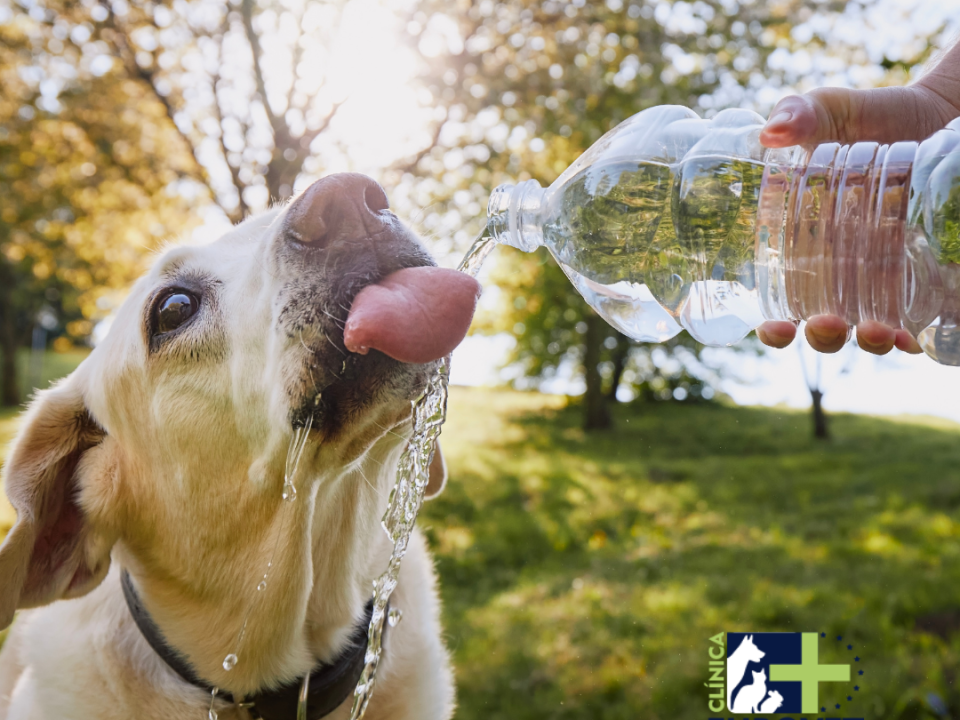
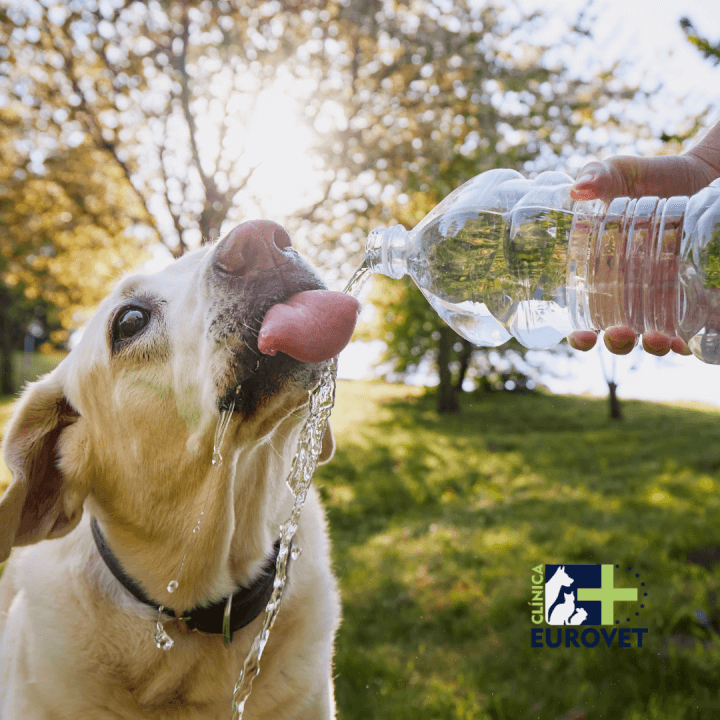
Finally, the balance of water, sodium, and potassium plays a critical role in the pathophysiology of kidney disease. As the condition progresses, dogs lose their ability to concentrate urine, requiring constant water intake to avoid dehydration.
💧 Remember: Excessive thirst (polydipsia) is often one of the earliest signs of kidney disease at home. If your pet empties the water bowl every day, it’s time for a check-up.
Sodium is directly linked to blood pressure: too much contributes to systemic and glomerular hypertension, accelerating renal damage. Renal diets therefore usually include a moderate sodium restriction.
Potassium can go either way: deficiency or excess. Hypokalemia is relatively common, causing muscle weakness and worsening renal function, while hyperkalemia occurs in advanced stages and may cause life-threatening arrhythmias.
In short: potassium must be carefully balanced – like a baking recipe – because too little or too much can cause arrhythmias or muscle weakness; sodium should stay low to keep the heart calm; and water… water everywhere! Wet food, homemade unsalted broths, and cat fountains with a “spa effect.” Every sip counts.
Did you know?
A dog with CKD stage II according to IRIS can maintain muscle mass and slow disease progression just by adjusting its diet. Nutrition is the most powerful therapeutic tool!