- Clinica Veterinaria Eurovet - Avenida Estación, 38 - 12598 - Peñiscola
- +34 964 784 983
- +34 671 281 025
- clinica.eurovet@gmail.com



Car sick – Why your dog hates curves
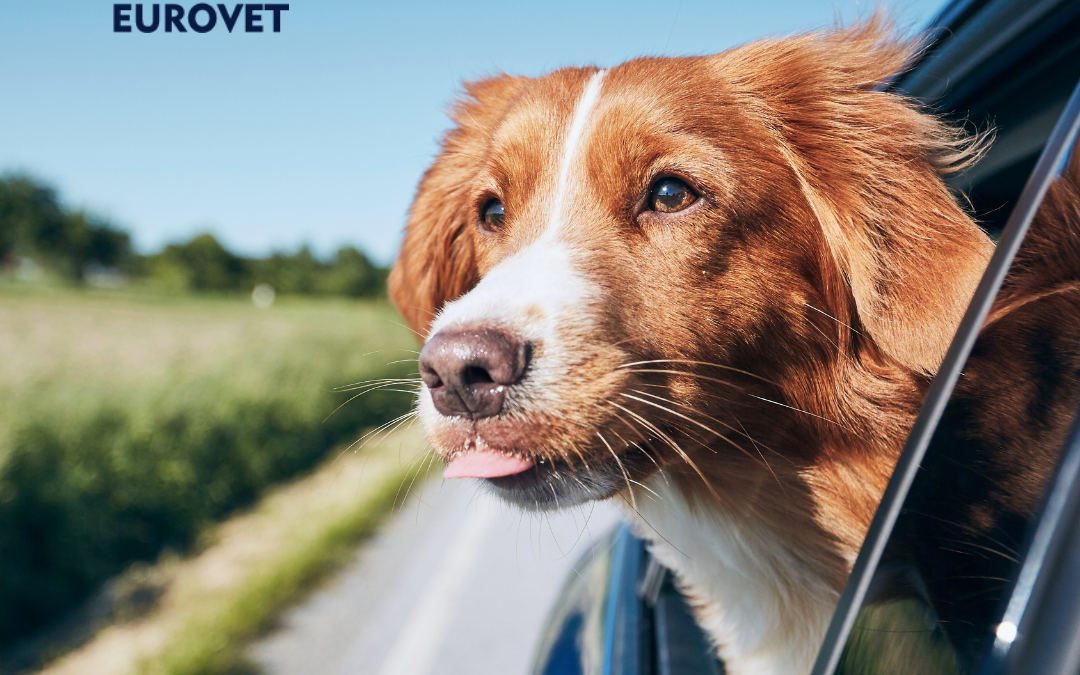
Your dog jumps happily into the car… but after 10 minutes, the drooling, panting, and desperate looks begin. If your furry companion turns into a queasy stomach on wheels, they’re likely suffering from motion sickness. In this article, I’ll explain what it is, why it happens, and how you can help them enjoy the ride without discomfort.
What is motion sickness and what happens to your pet during travel
Motion sickness is a response from the vestibular system to a mismatch between what the body feels and what the eyes see. In animals, just like in humans, this can cause nausea, vomiting, excessive drooling, and general discomfort. It’s more common in puppies and animals not used to car travel.
Why some animals suffer more than others
Canines have a very sensitive balance system. If the journey includes lots of curves, sudden accelerations, or limited outside visibility, symptoms can worsen. Stress and anticipatory anxiety can also make things worse. A nervous dog before getting in the car is more likely to feel unwell.
Cats don’t get motion sick as often… but they hate the car even more. While motion sickness is less common in cats than in dogs, the stress of transport alone can cause vomiting, diarrhoea, panting or vocalising. For them, the car is pure horror on wheels!
Signs your pet is having a hard time
Watch for the following symptoms:
- Excessive drooling or abnormal panting
- Restlessness, whining for no clear reason, or a fixed, anxious stare
- Shaking, repeated yawning or curling up due to discomfort
- Vomiting or unsuccessful attempts to vomit
Recognising these signs early can help you intervene before the trip becomes truly miserable for your pet.
Did you know?
Many dogs don’t actually vomit – but they’re still motion sick. Excessive drooling and a hunched posture are clear signs they’re uncomfortable, even if your car seats stay clean.
Point of view
At Eurovet, we see animals every summer who dread travel but could actually enjoy holidays with just a few small adjustments. The key is to identify the cause of the sickness and address it gradually.