- Clinica Veterinaria Eurovet - Avenida Estación, 38 - 12598 - Peñiscola
- +34 964 784 983
- +34 671 281 025
- clinica.eurovet@gmail.com



Pets on the Boil
The hidden causes of heatstroke
Summer means sunshine, walks, and outdoor fun. But when the thermometer soars, our pets can be in serious danger without us even realising. Heatstroke doesn’t come with a warning – it sets in quickly and can be fatal. In this article, I’ll explain why it happens, the most common causes, and how you can protect your furry friend from the very first sign.
The hidden mechanism: why heat affects dogs and cats so much
Unlike humans, dogs and cats don’t sweat all over their bodies. Their main method of regulating body temperature is panting – which isn’t always effective in extreme environments. For brachycephalic breeds like Bulldogs or Persians, this regulation is even more limited. Heat becomes a silent enemy that can cause severe hyperthermia in just minutes.
Common and dangerous causes of heatstroke
Risk factors are often underestimated. The most frequent causes include:
- Being left in closed cars, even for a few minutes.
- Intense physical activity during hot hours.
- Prolonged sun exposure without shade or water.
- Poor ventilation in indoor spaces.
These everyday situations can quickly turn into emergencies if not detected in time. At Eurovet, we see cases every summer that could have been avoided with simple preventive actions.
Individual risk factors
Some pets are especially vulnerable to heatstroke, and knowing these individual risks can make all the difference.
Puppies and older animals have a reduced ability to regulate their body temperature, making them prone to heatstroke even after short exposure to high temperatures.
Brachycephalic breeds like French Bulldogs, Pugs, or Shih Tzus have respiratory structures that hinder proper airflow, limiting their ability to cool down through panting.
Overweight pets or those with heart or respiratory issues are also at risk, as their bodies must work harder to maintain a stable temperature.
Lastly, animals with thick or dark fur absorb and retain more heat from the sun, significantly increasing their body temperature during hot weather.
What to do if your pet suffers from heatstroke
Better to prevent than to dash to the vet with your dog in your arms!
If you have a puppy, a senior, a flat-nosed dog or a pet with dark fur – heads up! These are the high-risk heatstroke champions. It’s your time to be their “summer guardian angel”.
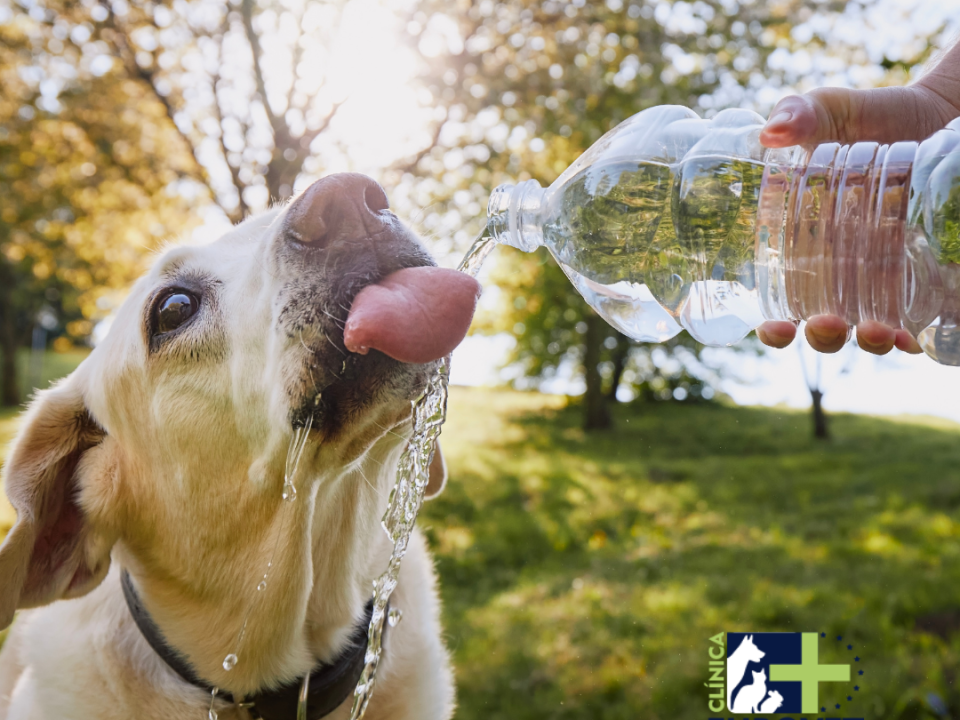
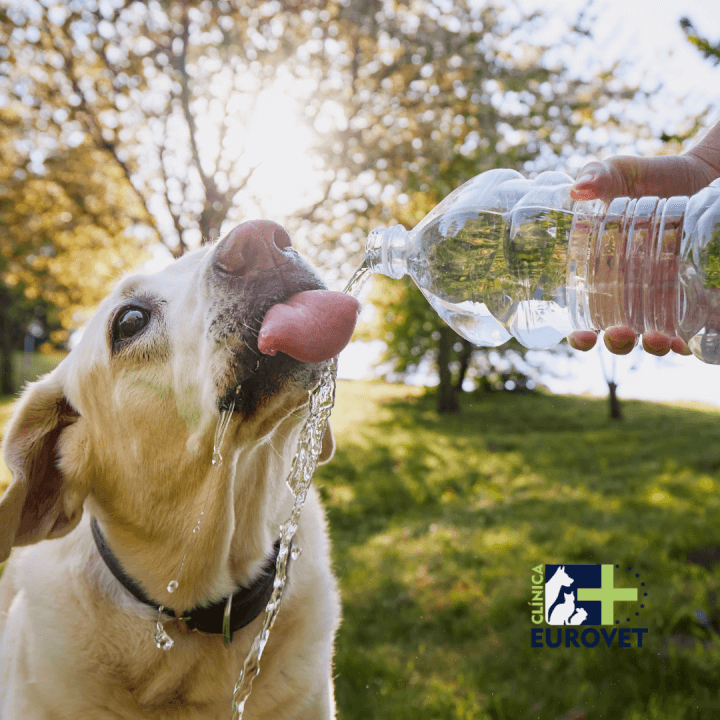
Avoid walks when the pavement is scorching and schedule outings early in the morning or late in the evening. Always provide fresh water (not just the birdbath!), and a well-ventilated spot for a nap.
A good shade, a fan, and watchful eyes – if they’re panting like they’ve run a marathon without moving from the sofa, it’s a red flag!
Then act without wasting a second
If you suspect heatstroke, don’t Google – act immediately.
First, cool them down. But beware: don’t soak their back if they have thick or dense fur – this can trap heat and worsen the situation. It’s better to wet their paws, belly, and groin with cool (not cold!) water.
Use a fan if you have one, or fan them like a celebrity on set. The goal is to cool them gradually but quickly, without causing thermal shock.
And finally, head straight to the vet
Even if your pet seems better, don’t take chances. Heatstroke can cause serious internal effects that aren’t immediately visible. Don’t hesitate – go to the vet straight away. Your quick reaction could save their life.