- Clinica Veterinaria Eurovet - Avenida Estación, 38 - 12598 - Peñiscola
- +34 964 784 983
- +34 671 281 025
- clinica.eurovet@gmail.com



PROTEIN ALLERGIES AND ITCHING IN SENIOR PETS
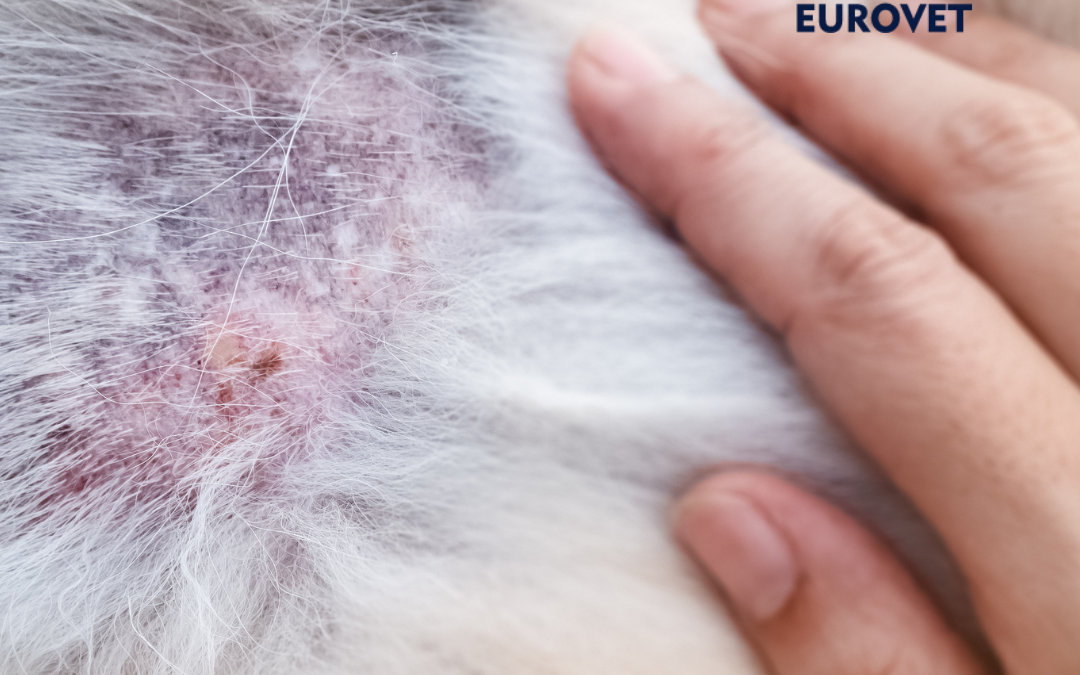
As dogs and cats age, their immune system undergoes changes that make them more sensitive or reactive to certain food components.
This is especially true for protein allergies, a common yet often underestimated cause of chronic itching, skin problems, and digestive issues in geriatric pets.
1. What Is a Protein Allergy?
A protein allergy is an abnormal immune reaction to a specific protein that would normally be harmless.
The body mistakenly identifies this protein as a threat and triggers an inflammatory response.
The most common allergenic proteins in pets include:
- Beef
- Chicken
- Dairy products
- Fish
- Egg
- Soy or wheat (in some diets)
Unlike a food intolerance, which affects the digestive system, an allergy causes a systemic immune reaction.
2. Why Are Allergies More Common in Older Pets?
With age, the immune system becomes dysregulated — it can either overreact (allergies) or underreact (infections).
In addition, the intestinal lining may become damaged due to chronic inflammation or long-term medication, allowing partially digested proteins to enter the bloodstream and trigger sensitization.
Other contributing factors include:
- Feeding the same protein source for many years
- Stress or hormonal changes affecting immune balance
- Gut microbiota imbalance (dysbiosis)
- Chronic skin or digestive problems that weaken defenses
An older animal can suddenly develop an allergy to a protein it has eaten for years without any issue.
3. Common Symptoms in Senior Pets
The signs of a protein allergy are diverse and often nonspecific, making diagnosis challenging.
Skin Symptoms:
- Chronic or recurring itching (often without parasites)
- Redness, flaking, or thickened skin
- Localized hair loss (especially on paws, ears, face, or abdomen)
- Recurrent ear infections (otitis externa)
Digestive Symptoms:
- Chronic or intermittent diarrhea
- Vomiting or nausea
- Gas or irregular stools
- Loss of appetite or changes in eating behavior
In many cases, skin and digestive signs appear together — a key diagnostic clue.
4. Diagnosis and Elimination Diet
Diagnosing a protein allergy can be complex and requires patience.
There is no single laboratory test that can confirm it; the elimination diet remains the gold standard.
What Is an Elimination Diet?
It involves removing all potential allergenic proteins and feeding the pet exclusively for 6–8 weeks with a novel or hydrolyzed protein source.
Examples of hypoallergenic proteins:
- Duck
- Rabbit
- Horse
- Salmon
- Insect protein
- Hydrolyzed protein (broken down peptide chains that the immune system does not recognize)
During this period, no treats, chews, or table scraps are allowed — even one small deviation can invalidate the test.
After the elimination phase, the original food is gradually reintroduced: if symptoms return, the diagnosis is confirmed.
5. Therapeutic Support
Treatment focuses on three main goals:
- Reducing inflammation
- Relieving itching
- Restoring the skin and intestinal barriers
Complementary Measures:
- Omega-3 fatty acids (EPA, DHA) help modulate inflammation.
- Probiotics and prebiotics restore gut health and strengthen immunity.
- Antihistamines or corticosteroids may be used short-term for symptom relief.
- Specific allergen therapy (desensitization) is possible in select cases.
- Moisturizing shampoos and dermocosmetic products help repair the skin barrier.
A close partnership between the veterinarian and owner is key to achieving long-term control with minimal medication use.
6. The Role of Nutrition in Geriatrics
For older allergic pets, the challenge is to maintain digestive tolerance and nutritional balance simultaneously.
Practical Tips:
- Choose highly digestible proteins to reduce intestinal strain.
- Ensure sufficient intake of essential fatty acids, zinc, and biotin to support skin and coat.
- Use hydrolyzed diets in pets with multiple allergies.
- Avoid frequent food changes — stability supports gut flora balance.
- Monitor weight, muscle tone, and stool quality regularly.
Nutrition is not only a treatment — it is also a diagnostic and preventive tool.
7. Long-Term Management and Quality of Life
Protein allergies are not curable but can be effectively managed.
With the right diet, regular monitoring, and supportive care, most pets can live normal, comfortable, and happy lives.
Key Strategies for Successful Management:
- Consistent diet: avoid sudden food changes or unauthorized treats.
- Regular veterinary check-ups to assess skin, weight, and blood parameters.
- Proper grooming to prevent irritation.
- Stress reduction, since cortisol affects immune balance.
- Seasonal monitoring, as symptoms can fluctuate during the year.
The goal is not only to reduce symptoms, but to restore comfort, vitality, and daily joy.
8. Prevention and Veterinary Guidance
The best prevention is a varied, high-quality diet throughout life.
Introducing different protein sources early on can help reduce the risk of sensitization.
The veterinarian plays an essential role in guiding the owner, particularly for older pets, where nutrition, medication, stress, and organ health are all interconnected.
9. Conclusion
Protein allergies are a common yet underdiagnosed cause of chronic itching and skin problems in senior pets.
Through accurate diagnosis, individualized diet adjustment, and supportive therapies, quality of life can be significantly improved.
Understanding the connection between nutrition, immunity, and skin health is key to helping our senior companions age comfortably and happily.