- Clinica Veterinaria Eurovet - Avenida Estación, 38 - 12598 - Peñiscola
- +34 964 784 983
- +34 671 281 025
- clinica.eurovet@gmail.com



HAIR LOSS, SEBORRHEA AND SHEDDING IN SENIOR PETS
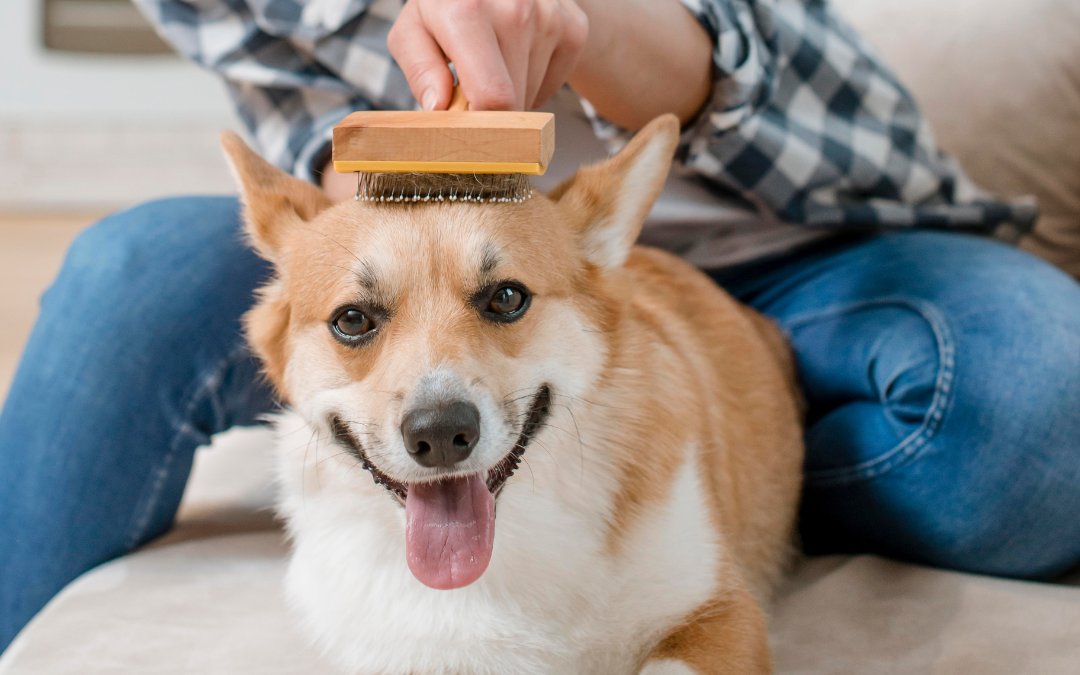
Shedding is a natural biological process through which old hairs fall out and are replaced by new ones.
In older pets, however, this process can become slower, irregular or incomplete, sometimes leading to excessive hair loss, greasy skin or dandruff.
In many cases, this is simply an age-related physiological change, but sometimes it can indicate an underlying condition that should be identified and treated.
1. Age-Related Changes in the Coat
As pets age, cell renewal and blood circulation in the skin slow down.
This directly affects hair growth:
- Hair grows more slowly and becomes finer.
- Hair follicles become more sensitive to hormonal fluctuations.
- Sebum production changes, leading to dry or oily skin (seborrhea).
Seasonal changes also play a role. Some senior pets lose the natural trigger for shedding (light, temperature, hormones) and retain an excessively long or dense coat, which tangles easily and traps dirt.
A well-groomed coat reflects good health — changes in texture or appearance can be an early warning sign.
2. Causes of Excessive Hair Loss
Not all hair loss is pathological, but when it becomes diffuse, persistent, or localized, a veterinary check-up is advised.
Common Causes:
- Hormonal disorders (hypothyroidism, Cushing’s disease)
- Nutritional deficiencies in zinc, biotin, omega-3 fatty acids, or proteins
- Allergies (food or contact)
- Parasites (fleas, mites, lice)
- Infections (bacterial or fungal)
- Chronic stress or pain
- Side effects of medication
A thorough history, blood test, and skin examination help determine the cause and guide treatment.
3. Seborrhea: When the Skin Loses Its Balance
Seborrhea is an imbalance in sebum production — too much or too little.
It can appear in two forms:
- Dry seborrhea: skin appears flaky, dull, and rough.
- Oily seborrhea: coat feels greasy, clumps easily, and has a strong odor.
Both forms can occur simultaneously.
Seborrhea is often secondary to another condition (hormonal, allergic, or parasitic).
Less commonly, it may be primary and genetic, depending on the breed.
Treatment aims to correct the underlying cause and restore the skin’s natural protective barrier.
4. Shedding in Senior Pets
Unlike young animals, senior dogs and cats respond more slowly to seasonal changes.
Shedding may last for months or remain incomplete.
Factors Influencing Shedding:
- Light exposure and temperature (indoor pets often lose their natural shedding rhythm)
- Hormonal changes (thyroid and sex hormones)
- Nutrition and skin condition
- Stress and emotional balance
- Grooming habits and brushing frequency
Regular brushing helps remove dead hair, stimulate circulation, and improve skin oxygenation.
This is especially important for long-haired or less mobile senior pets.
5. Nutrition and Supplements for Skin and Coat Health
Balanced nutrition is essential for maintaining healthy skin and coat.
Recommended Nutrients:
- Omega-3 and omega-6 fatty acids: improve skin elasticity and reduce inflammation.
- Biotin and zinc: support keratin formation and prevent flakiness.
- Vitamins A and E: provide antioxidant protection for skin cells.
- High-quality proteins: are the foundation for hair structure and renewal.
Senior formulas are specifically designed for better digestibility, antioxidants, and age-appropriate nutrition.
Nutrition influences more than appearance — it supports vitality and longevity.
6. Care and Prevention
The grooming routine of senior pets should be regular, gentle, and adapted to their needs.
Practical Tips:
- Brush the coat frequently to remove dead hair and massage the skin.
- Use mild shampoos with moisturizing or soothing ingredients.
- Avoid excessive bathing to preserve the natural oil layer.
- Maintain year-round parasite prevention.
- Have the coat and skin checked by a veterinarian at least once a year.
Proper coat care is not just aesthetic — it contributes greatly to comfort and quality of life in older pets.
7. Conclusion
Skin and coat are important indicators of overall health in geriatric pets.
Through balanced nutrition, appropriate grooming, and regular veterinary care, most age-related skin problems can be prevented or managed early.
A shiny coat is more than just a sign of beauty — it is a reflection of vitality, well-being, and love.
Recommended SEO Keywords
- Hair loss in senior dogs and cats
- Seborrhea in older pets
- Seasonal shedding senior animals
- Skin and coat care Eurovet Peñíscola
- Omega-3 for pet skin health
- Geriatric veterinary care Peñíscola
- Biotin and zinc pet nutrition
- Dermatology veterinary Eurovet
- Grooming for senior pets
- Holistic care for aging dogs and cats