- Clinica Veterinaria Eurovet - Avenida Estación, 38 - 12598 - Peñiscola
- +34 964 784 983
- +34 671 281 025
- clinica.eurovet@gmail.com



COGNITIVE DYSFUNCTION SYNDROME – COMBINED MANAGEMENT
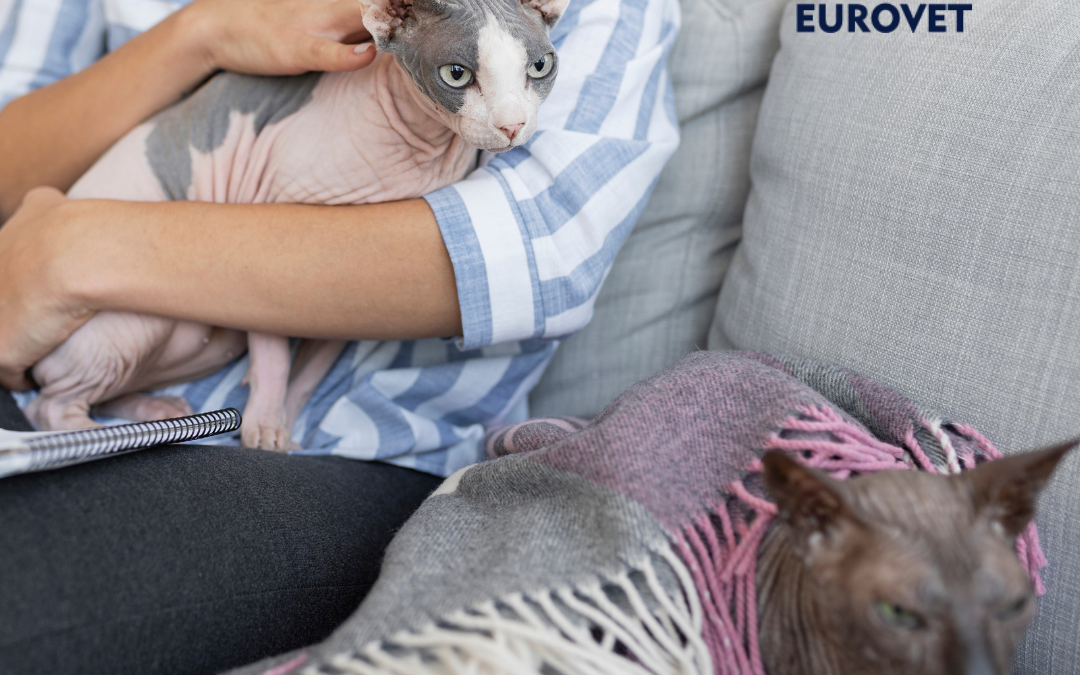
Cognitive Dysfunction Syndrome (CDS) is a chronic degenerative brain disease of senior dogs and cats, leading to behavioral and memory changes.
As it is a multifactorial condition, its management requires a combined and multidisciplinary approach, integrating several therapeutic aspects: nutrition, environment, behavior, medical treatment, and emotional support.
1. Treatment Goals
The main objective is to improve the animal’s quality of life and slow the progression of the disease.
Since there is no cure, therapy focuses on stabilizing cognitive function, reducing anxiety and confusion, and helping the animal adapt to age-related changes.
2. Nutritional Therapy and Supplements
Nutrition plays a crucial role and is one of the pillars of treatment.
Multiple studies have shown that certain nutrients can reduce oxidative stress in the brain and improve neuronal communication.
Recommended Nutrients:
- Antioxidants: vitamins E, C, selenium, beta-carotene
- Omega-3 fatty acids (DHA, EPA): support neuronal membrane integrity
- L-carnitine and alpha-lipoic acid: enhance mitochondrial energy production
- B-complex vitamins (B6, B12, folic acid): support neurotransmitter synthesis
- Phosphatidylserine and SAMe: improve memory and mood
- Medium-chain triglycerides (MCTs): serve as an alternative energy source for neurons
Commercial diets designed specifically for cognitive support, such as
Virbac Neurocare®, Hill’s b/d®, or Purina Neuropro®, can help alleviate symptoms and stabilize brain function.
3. Environmental Adaptation and Daily Routine
A stable and predictable environment provides comfort and security for aging pets.
The goal is to reduce confusion, anxiety, and disorientation by establishing a consistent and structured routine.
Recommendations:
- Maintain consistent schedules for feeding, walks, and rest
- Avoid rearranging furniture or changing feeding and sleeping areas
- Use night lights to help with nighttime orientation
- Provide safe, non-slip flooring and comfortable bedding
- Introduce new stimuli gradually (smells, sounds, visitors)
- Create quiet resting areas
These adjustments promote emotional stability, reduce stress, and help prevent behavioral disturbances.
4. Behavioral Therapy and Mental Stimulation
Maintaining mental activity is essential to stimulate neural connections and slow the progression of the disease.
Recommended Actions:
- Cognitive games: hide-and-seek with treats, puzzle toys, scent tracking games
- Gentle training: short, positive sessions with familiar commands
- New experiences: walks in new environments, controlled social interactions
- Social engagement: maintain regular contact with familiar people and other pets
Mental stimulation should always be gentle, consistent, and rewarding.
Excessive demands or abrupt changes can lead to frustration or anxiety.
Memory exercises promote neuroplasticity and stimulate dopamine and serotonin release — two key elements for well-being and learning ability.
5. Pharmacological Treatment
In advanced cases, or when symptoms persist despite environmental and dietary support, the veterinarian may prescribe medications to support cognitive function.
Commonly Used Medications:
- Selegiline (Anipryl®): a MAO-B inhibitor that increases dopamine levels and has antioxidant properties.
- Improves alertness, orientation, and social interaction.
- Reduces apathy and anxiety.
- Propentofylline: enhances microcirculation and oxygen delivery to the brain.
- Stimulates energy, awareness, and activity.
- S-Adenosylmethionine (SAMe): acts as an antioxidant and neuroprotectant, supporting mood and cellular energy.
- Melatonin: helps regulate sleep–wake cycles, particularly in pets with nighttime restlessness.
Every pharmacological plan should be individualized and monitored by a veterinarian to ensure safety and effectiveness.
6. Owner Behavior and Emotional Support
The owner plays a vital role in the therapeutic process.
Patience, consistency, and empathy are essential for treatment success.
Animals are highly sensitive to their owner’s emotions; thus, calmness, routine, and affection can be as therapeutic as medication.
Emotional stability and gentle attention help preserve trust and strengthen the human–animal bond.
7. Holistic Approach and Complementary Therapies
Effective management of CDS is based on a holistic approach, combining conventional medicine with complementary therapies.
Possible Complementary Therapies:
- Pheromone therapy (Adaptil®, Feliway®): reduces anxiety and promotes well-being.
- Aromatherapy: mild scents (such as lavender) can help relaxation.
- Massage and physiotherapy: improve circulation and physical comfort.
- Acupuncture: may enhance cerebral blood flow and reduce stress.
- Phytotherapy:
- Ginkgo biloba – improves blood circulation and provides antioxidant effects.
- Bacopa monnieri – supports memory and concentration.
These therapies do not replace medical treatment but can help support overall balance and improve the animal’s quality of life.
8. Importance of Regular Follow-Up
Since this is a chronic, progressive condition, follow-up visits every 3–6 months are essential to:
- assess the pet’s clinical and cognitive status,
- adjust the treatment plan (diet, medication, behavioral care),
- and provide emotional guidance for the owner.
Even small improvements are meaningful — every step forward contributes to maintaining comfort, trust, and dignity.
9. Conclusion
Managing Cognitive Dysfunction Syndrome requires patience, empathy, and a multidisciplinary approach.
By combining nutrition, mental stimulation, environmental enrichment, and medical support, it is possible to stabilize cognitive function and significantly enhance the quality of life of senior pets.
A pet living with CDS can still enjoy a happy, dignified, and loving life, as long as it is surrounded by understanding, consistency, and care.
Scientific References
- Cognitive Dysfunction Syndrome in Dogs and Cats: A Review. Frontiers in Veterinary Science, 2023.
https://www.frontiersin.org/articles/10.3389/fvets.2023.1254128/full - Nutritional and Behavioral Management of Cognitive Dysfunction. Journal of Veterinary Behavior, 2021.
https://www.sciencedirect.com/science/article/pii/S1558787821001046 - Canine Cognitive Dysfunction: Pathophysiology and Treatment. Veterinary Clinics of North America, 2022.
https://www.sciencedirect.com/science/article/pii/S0195561622000193 - AAHA Senior Care Guidelines for Dogs and Cats.
https://www.aaha.org/globalassets/02-guidelines/senior-care/senior-care-guidelines.pdf