- Clinica Veterinaria Eurovet - Avenida Estación, 38 - 12598 - Peñiscola
- +34 964 784 983
- +34 671 281 025
- clinica.eurovet@gmail.com



Battle menu: nutrition for pets with cancer
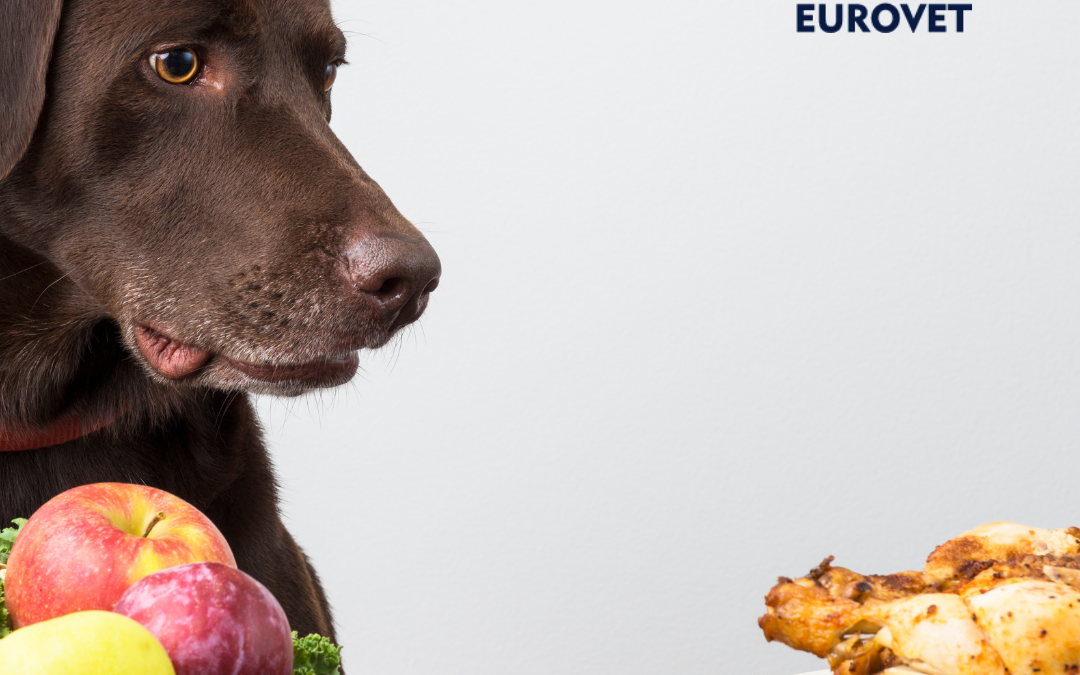
Because fighting on an empty stomach is no plan
When a cancer diagnosis arrives, words often fail us – it’s a hard blow. It paralyzes, saddens… but also activates us. Because your furry companion needs more than cuddles: they need fuel. And not just any fuel. Behind every oncology treatment there is a patient who needs energy, defenses, and the will to live. Nutrition in these cases is not a minor detail: it is an active part of therapy. A well-designed oncology diet helps reduce cachexia, improves immune response, and restores strength so your pet can keep fighting. Eating well, in this context, means fighting with more tools.
Good fats: the super fuel
Many tumors love sugar but hate fat. That’s why we cut carbs to a minimum and raise quality fats. In other words: take away the buffet from the tumor and give salmon to the warrior (avocado’s for us).
VIP proteins
Muscle mass is a reserve of life. For your pet to keep walking, barking, or purring with dignity, they need elite proteins: egg whites, cooked turkey, salmon. And if they don’t feel like eating much… then every bite must be nutritionally powerful. Each mouthful counts like a precise shot.
Supplements with cape and mask
Omega-3, antioxidants, curcumin… more than trendy ingredients, these are nutraceuticals with scientific evidence for immunomodulation, inflammation control, and liver support. But beware: this isn’t alchemy or witchcraft. Always under veterinary guidance and with attention to possible interactions with oncology treatments.
Eating, that act of love
When strength wanes, eating is no longer automatic. It becomes an intimate, almost ritual moment. Warming up the food, presenting it nicely, feeding by spoon if needed… everything counts. Because in veterinary oncology, feeding is not just about calories: it’s about showing love through the bowl.
Did you know?
Cancer in pets alters metabolism in a unique way: it induces insulin resistance, muscle catabolism, and accelerated lipolysis. That’s why an oncology diet is not “more of the same,” but nutritional medicine.
Mini revelation
Some tumors – such as lymphoma or hemangiosarcoma – respond better when the patient maintains their body mass index. Weight is much more than a number: it’s a prognostic marker.
Point of view
There are no magical kibbles, but there are nutrients with superpowers. And a good nutritional plan is their best cape. It’s not about searching for miracle recipes, but about designing a precise nutritional strategy, adapted to the type of cancer, clinical condition, and real needs of the patient.
Practical application
Forget the “let them eat whatever they want”: design a strategy with your veterinarian that nourishes with purpose (and flavor). Every bite should have therapeutic intention. Even on hard days, a well-planned menu can make the difference between apathy and energy.
A minute of history
It was in the 1980s that the ketogenic diet began to be applied in experimental veterinary oncology. The first trials in dogs with mast cell tumors already showed better treatment tolerance.
Anecdotes
Consultation story
Luna, a golden retriever with lymphoma, was losing weight despite chemotherapy. We adapted her diet with cooked salmon, krill oil, and brown rice. In one month, she gained 1.2 kg and wagged her tail again like before.
Caregiver’s perspective
“When she started eating again, I cried.” Words from a guardian after trying a special wet formula with high palatability. Sometimes recovery begins with a spoonful.