- Clinica Veterinaria Eurovet - Avenida Estación, 38 - 12598 - Peñiscola
- +34 964 784 983
- +34 671 281 025
- clinica.eurovet@gmail.com



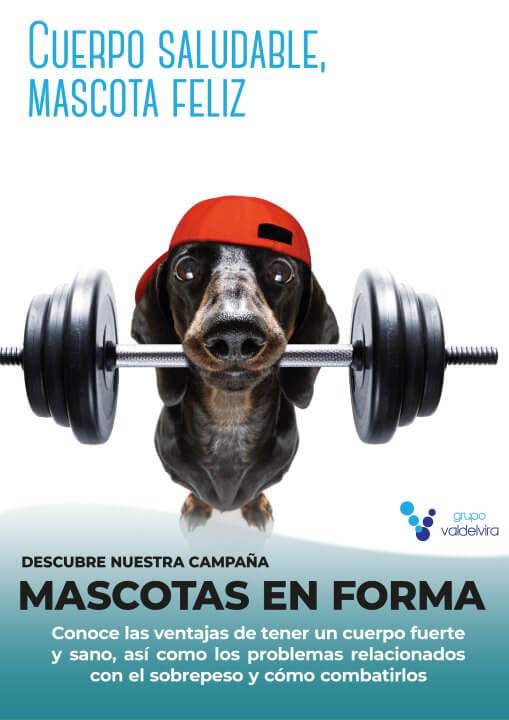
Campaign against obesity

One extra kilo isn’t love – it’s a risk… and 2, 3 or 4? Don’t even ask
Overweight? Don’t worry, we’ve got a plan (and it works!)
Too much love… in the form of extra kilos? It’s time to take action!
Did you know that over 40% of dogs and cats in Spain are overweight?
Yes, you read that right. And the worrying part is that many owners don’t even notice anymore – we’ve gotten used to seeing our pets “chubby” as if it were normal… or even cute. But those extra pounds aren’t harmless: they’re a real health risk.
At Eurovet, we see every day what no one wants to talk about: cats that stop playing because it hurts to move, dogs with overstressed joints, fatty livers, diabetes in young animals… all partly because we mistake affection for giving extra food.
👉 Our new obesity prevention campaign is here to help you say “enough”. Because loving your pet also means managing their weight.
Why don’t they lose weight sometimes?
If your pet isn’t losing weight despite eating less or exercising more, there may be an underlying medical issue.
Hypothyroidism in dogs slows the metabolism; diabetes, common in both dogs and cats, affects energy use; and Cushing’s syndrome increases appetite and belly fat.
Arthritis-related pain limits movement, and neutering reduces energy needs.
To succeed, a weight loss plan must also address any hidden medical causes.
Obesity = silent diseases (until they’re not)
Excess weight can lead to a range of serious health issues in pets:
- Early-onset arthritis and joint degeneration
- Liver disease and pancreatitis
- Exercise intolerance and breathing difficulties
- Increased surgical and anaesthetic risk
- Shorter life expectancy
- Skin problems (folds, infections)
- Overall reduced well-being and quality of life
Eurovet Obesity Prevention Campaign
Free nutritional consultation and personalised plan
when you book a full blood test to better monitor your pet’s health.
From 1 November to 31 December, Eurovet Veterinary Clinic is running a special campaign against overweight in dogs and cats.
Our goal: to help your pet regain a healthy weight and prevent diseases linked to excess body fat.
By booking a C-profile blood test (complete blood count + 14-parameter biochemistry)*, your pet receives:
- Free nutritional consultation: clinical check-up, weight and body condition assessment, current diet review
- 10% discount on full in-house lab analysis: liver, kidney, pancreas function, glucose, thyroid + blood count
- Custom nutrition plan: light or therapeutic food, goal calendar, recommended treats, and tailored exercise routine
- Exclusive discount on diet food: valid on weight control foods recommended by our veterinary team
📞 Book your appointment now: call +34 964 784 983 or message us on WhatsApp at the same number. (Important: WhatsApp available for written messages only — no calls)
Obesity isn’t just a cosmetic issue: it’s a health concern. And you can help your pet live longer and better. We’ll guide you every step of the way.
Campaign conditions
- 📅 Offer valid from 01/11 to 31/12 (inclusive)
- To qualify for the promotion, a full in-house blood test (biochemistry + blood count) must be performed at our clinic. Prices available at reception
- Offer applies only to dogs and cats with suspected or diagnosed overweight (BCS ≥ 6)
- Appointments required and subject to availability
- 10% discount applies exclusively to tests performed in our own lab
- Nutrition plan and monthly follow-up included during the campaign only if full analysis is completed
- Discount on diet food valid only for brands recommended by our veterinary team
❌ Important:
- Promotion not combinable with other campaigns or ongoing offers
- Bloodwork from external labs is not eligible
- Any additional exam, treatment or clinical procedure will be billed at current rates
- One pet per household unless otherwise authorised by the veterinary team
APPENDIX
Shorter lifespan due to obesity in dogs and cats
🐶 In dogs:
A longitudinal study by the University of Liverpool and Nestlé Purina (Kealy et al., 2002) found that moderately overweight dogs lived an average of 1.8 years less than their ideal-weight peers.
For example, overweight Labrador Retrievers lived 11.2 years on average, compared to 13 years for leaner dogs on controlled diets.
In some cases, the difference can exceed 2 years, depending on breed and degree of obesity.
🐱 In cats:
Although fewer studies exist, the evidence shows obesity can shorten lifespan by 1 to 2 years.
A retrospective study (Scarlett et al., 1994) found that obese cats had a significantly higher risk of dying before age 12.
They are also more prone to diabetes mellitus, hepatic lipidosis, arthritis and urinary disease – all of which impact lifespan and quality of life.